Nobody likes to think about emergencies, but for retirees living abroad — especially those living alone — a little preparation makes an enormous difference. Emergency response in the Philippines can be slower and less coordinated than you're used to, so the best protection is a clear plan made in advance.
Why You Need a Plan
The national emergency hotline is 911, but public ambulance response varies widely and traffic in Metro Manila can be severe. Most expats rely on private hospital ambulances and need to know in advance which number to call and where to go.
Your Emergency Safety Checklist
1. Know your nearest hospital — and its emergency number
Save the direct emergency and ambulance numbers for your nearest private hospital in your phone, and post them on the fridge. Know the fastest route at different times of day.
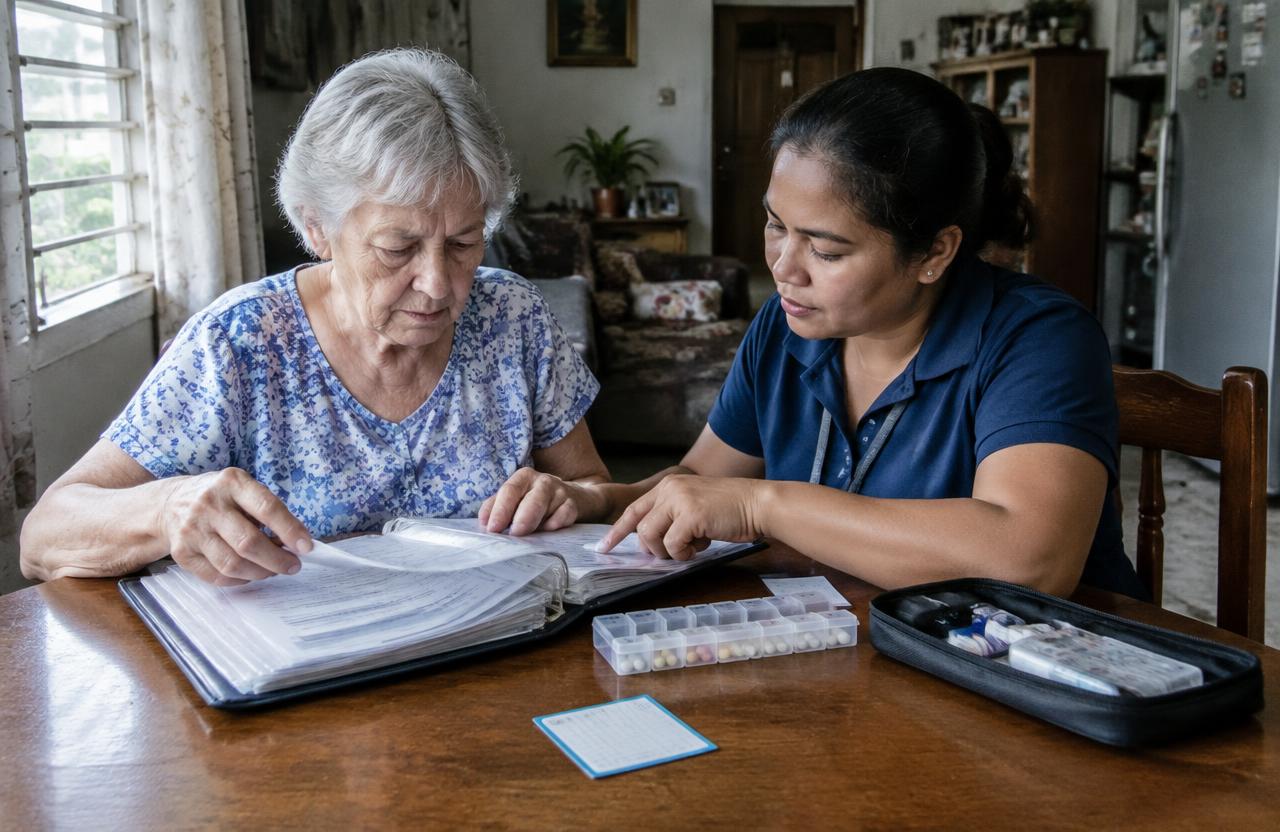
2. Keep a medical records binder
- Passport copy and visa/SRRV details
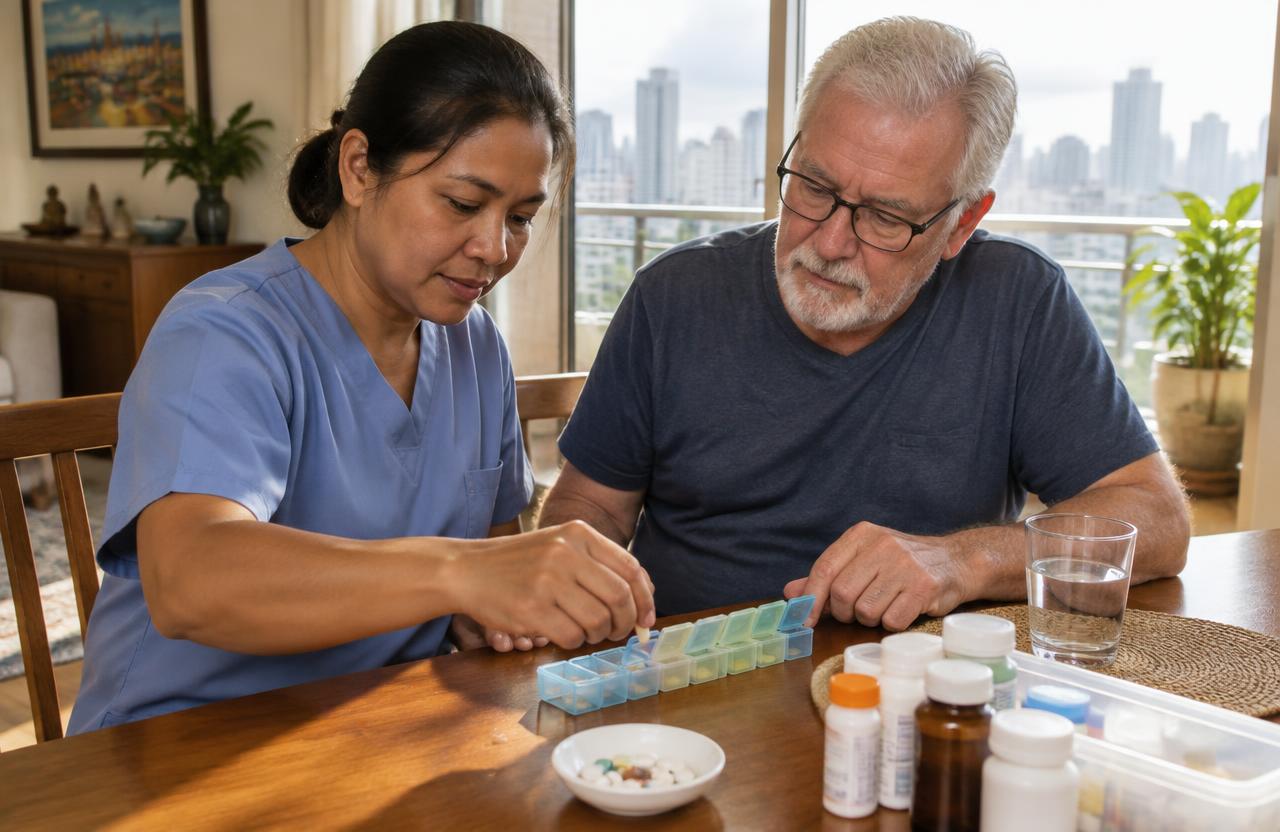
- Current medications, dosages and allergies
- Diagnoses, recent test results and doctor contacts
- Insurance policy details and claims number
- Advance directives or care wishes, if you have them
3. Carry an emergency card
A wallet-sized card with your name, blood type, key conditions, medications, allergies, and two emergency contacts — one local, one family member back home.
4. Brief your building security
Let your condo's front desk know who to call if they can't reach you, and ensure your local contact is authorized to enter your unit.
5. Prepare for the hospital deposit
Private hospitals usually ask for a deposit on admission. Keep a credit card with sufficient limit accessible, and confirm in advance how your insurer handles guarantees of payment.
6. Agree how family will be updated
Decide who contacts your family, how quickly, and what information they'll receive. Time zones make this especially important.
The Most Important Piece: A Person on the Ground
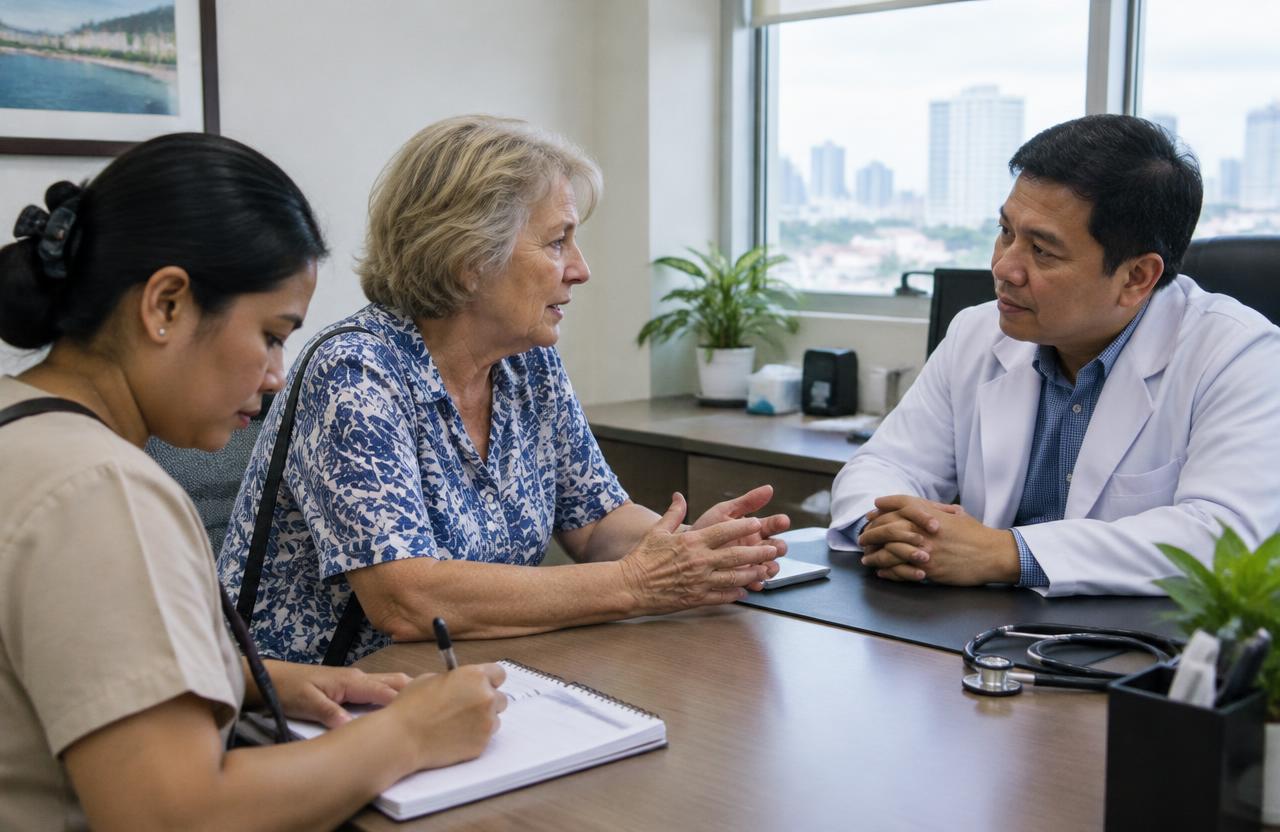
A plan on paper is only as good as the person who can act on it. Having a trusted local contact who knows your medical history, can meet you at the hospital, speak with doctors, handle admission paperwork, and keep your family updated is what turns a frightening situation into a managed one.
How ExpatCare PH Helps
We help every client build a personal emergency plan, keep their records up to date, and provide an on-the-ground coordinator who can respond, accompany them to hospital, and keep loved ones informed in real time. Book a free assessment to put your plan in place.
Have questions?
Get in touch with our team to learn more about assisted living in the Philippines.